

Why Saudi Film Nights Matters Beyond the Screen
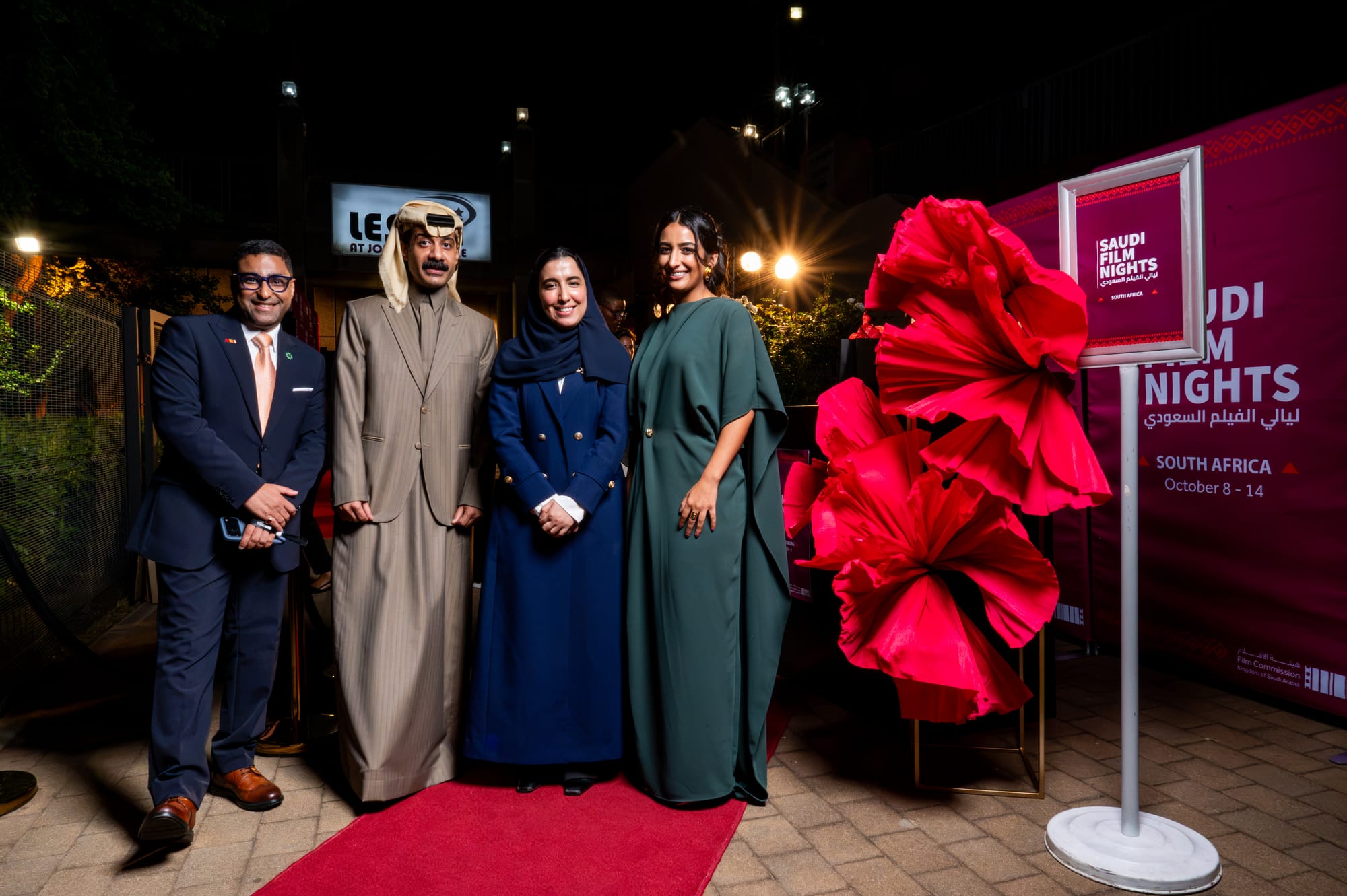
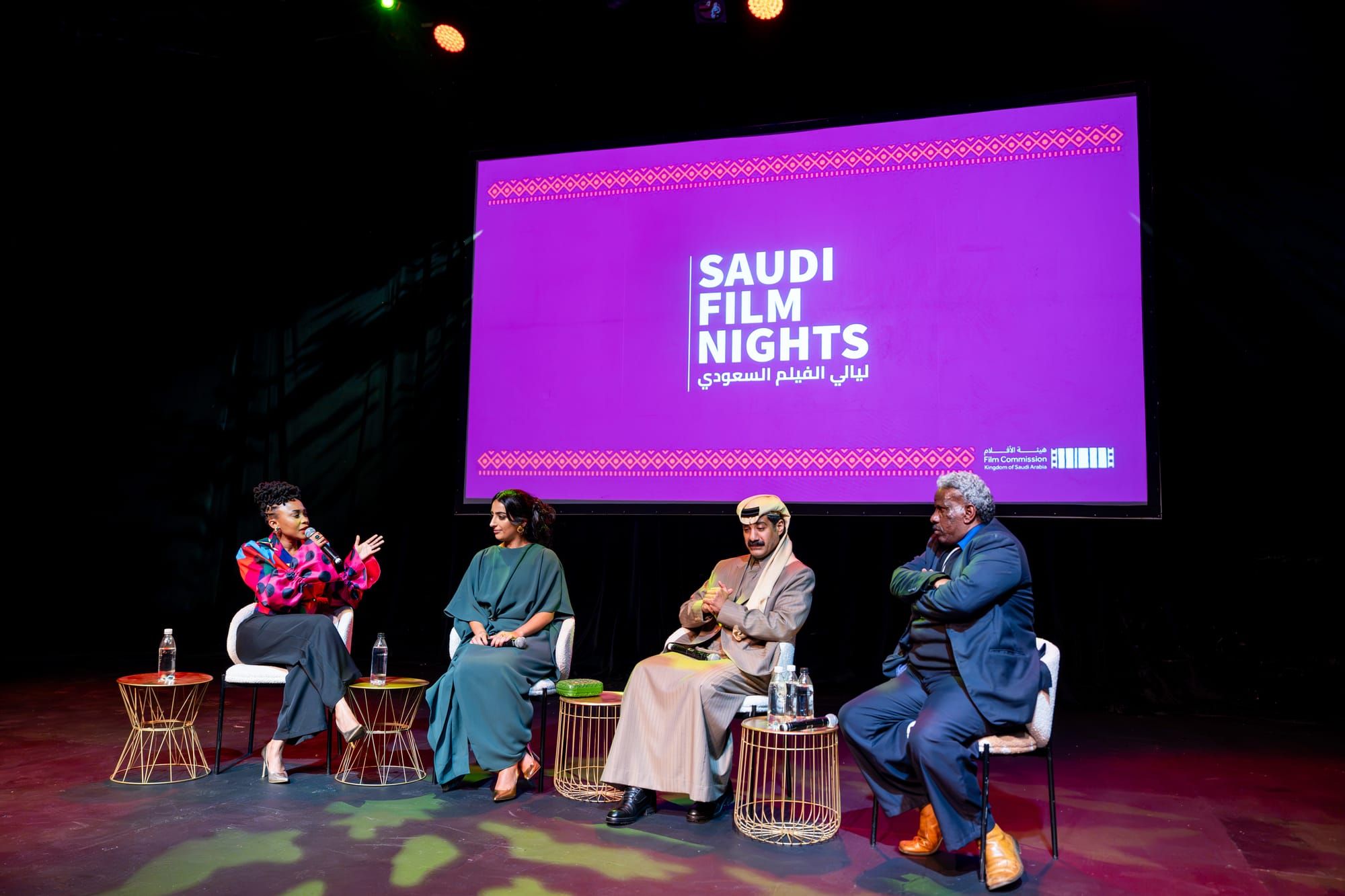
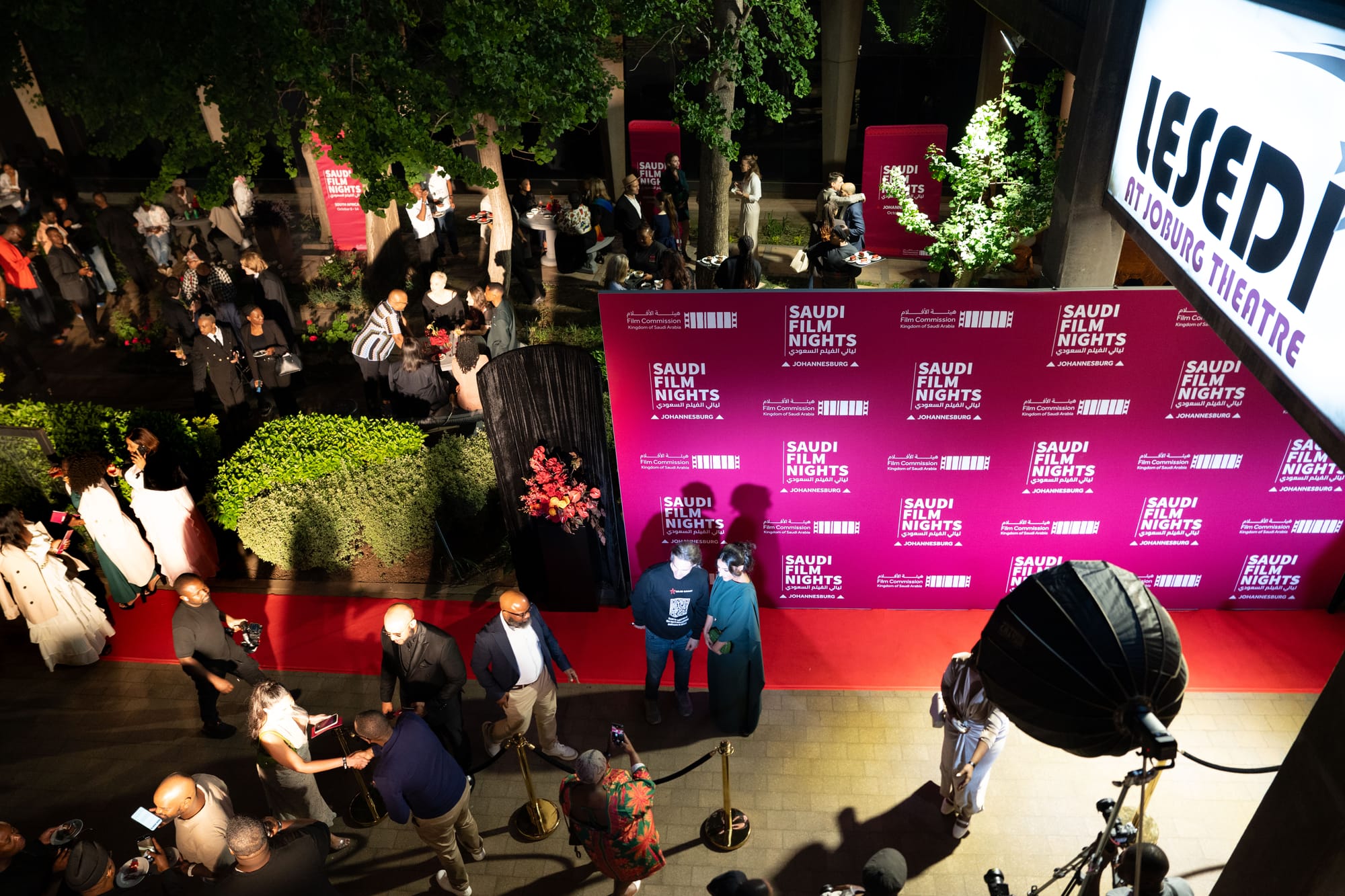
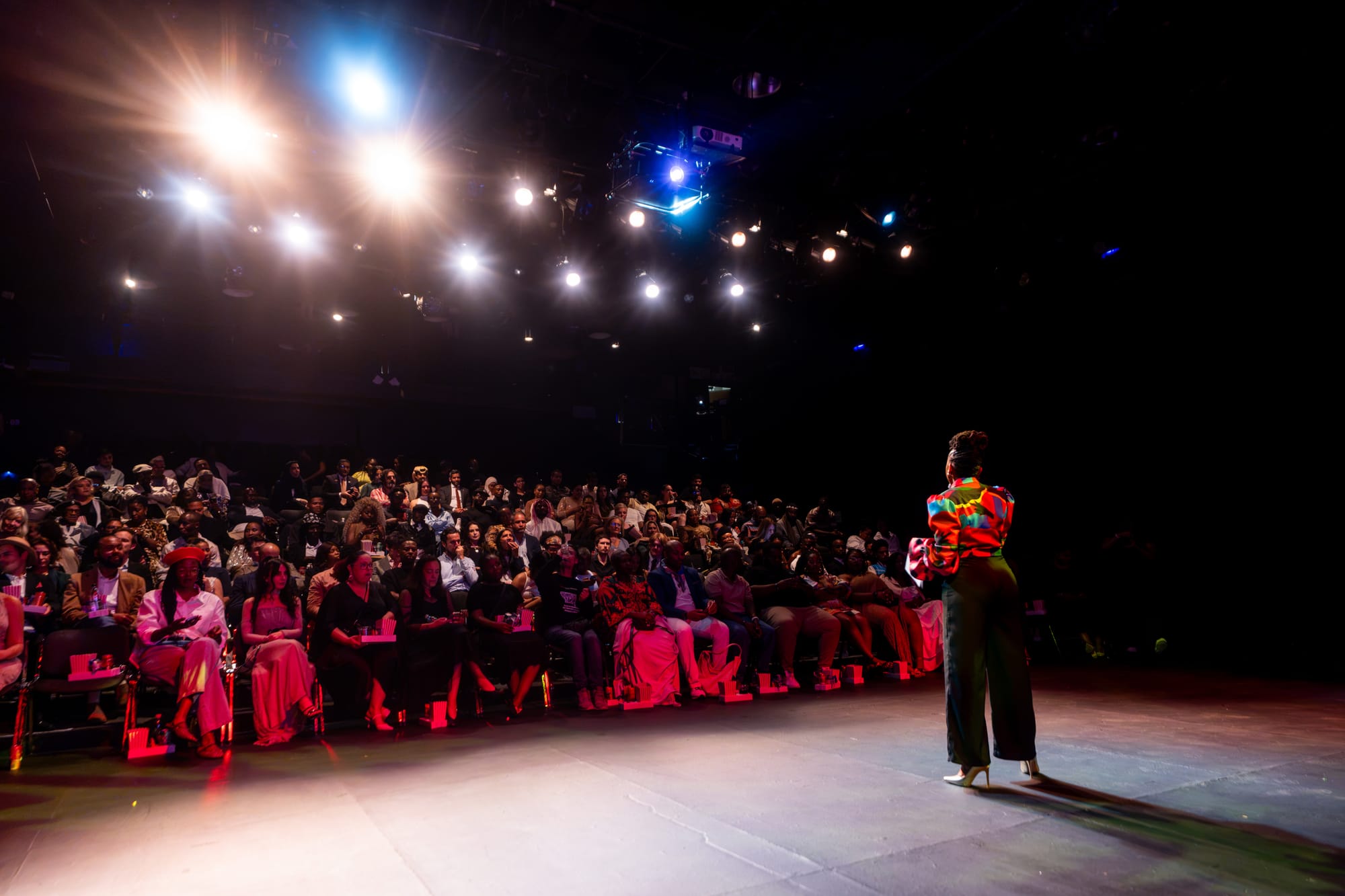
Through Saudi Film Nights, the Saudi Film Commission brought a selection of contemporary Saudi films to Johannesburg, Durban and Cape Town, creating a space for audiences to encounter stories, landscapes and perspectives that seldom reach local cinemas.
While the screenings showcased emerging Saudi talent, the significance of the programme extended beyond the films themselves.
At a time when cultural exchange is becoming an increasingly important part of international relations, Saudi Film Nights offered a glimpse into how cinema can build connections between regions that, despite existing within the wider Global South, have historically had limited engagement with one another.

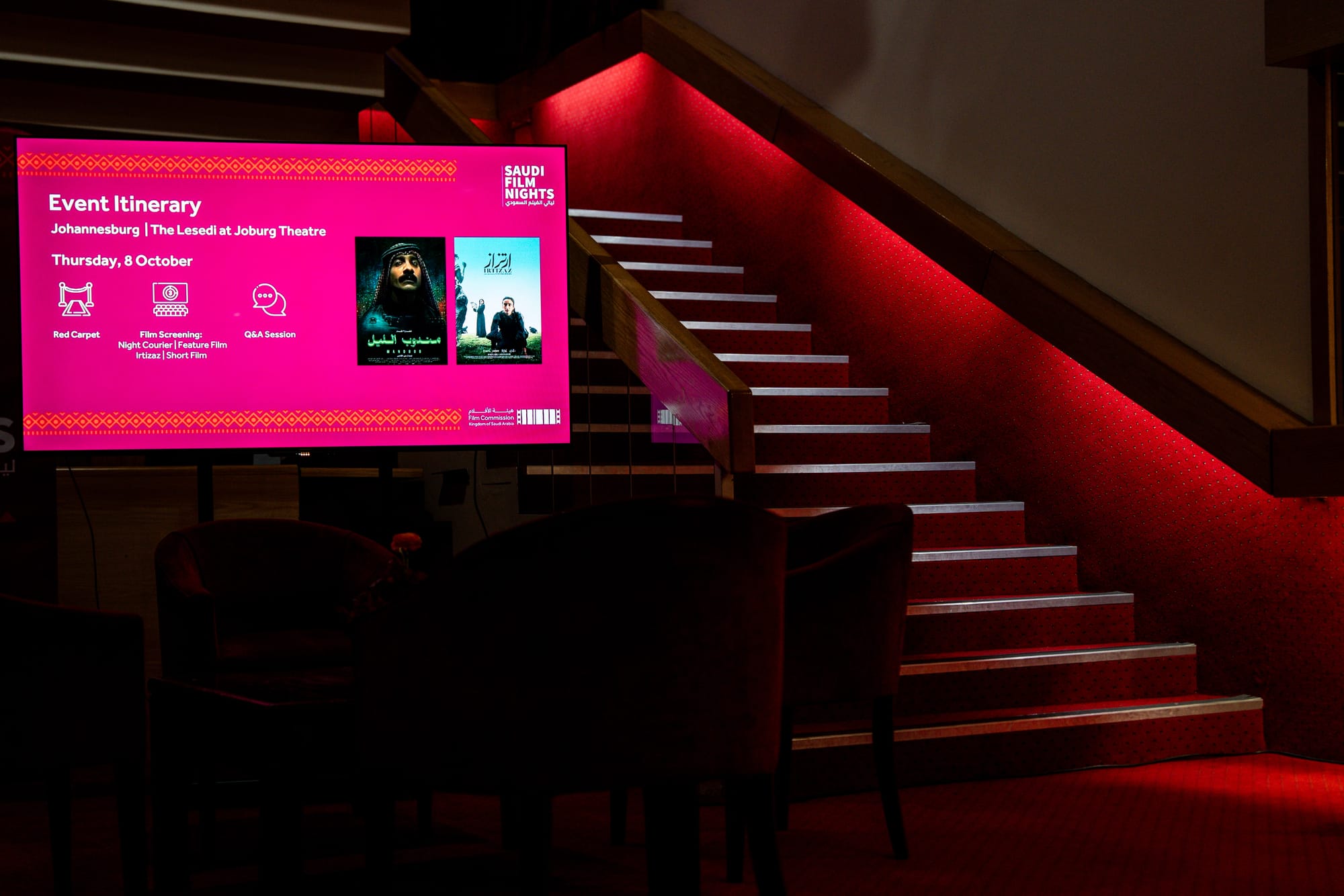
The Johannesburg screening opened with an all-women cast and crew short film: Irtizaz, directed by Sara Baghoniam, starring Reem AlHabib and Rand Algosabi. Centred on a young divorcee attending a funeral, where she finds herself navigating a subtle yet ruthless social competition to prove she remains a desirable prospective wife.
Film by Sara Baghonaim
The film delivered an effective and sharp commentary on social expectations, status, and gender dynamics - despite its short running time.
The evening's feature presentation, Night Courier, directed by Ali Kalthami, shifted the focus to the streets of Riyadh.
Film by Ali Kalthami
The film follows a mentally fragile man (starring Mohammed Dokhei) who takes up delivery work to make ends meet, only to find himself slowly drawn into the city's hidden underworld.
Night Courier is a committed film. The film presents a protagonist whose circumstances, decisions, and vulnerabilities unfold with nuance and restraint. For SPACES, the film felt both brave and confident in its storytelling.
Images supplied by Tutone Communications
The two films offered a compelling introduction to contemporary Saudi cinema. While vastly different in scale and subject matter, both demonstrated a willingness to engage with personal, culturally specific stories while exploring universal themes of belonging, expectation, survival, and identity.
For audiences encountering Saudi filmmaking for the first time, they provided a meaningful entry point into a cinematic landscape that continues to evolve and expand.
The exchange arrives at an interesting moment for both nations' film industries. Saudi cinema is currently undergoing a remarkable period of growth. Driven by significant investment in creative industries, the Kingdom has rapidly expanded its film ecosystem through festivals, production initiatives, training programmes, and international partnerships. For many filmmakers, this has created new opportunities to tell local stories while engaging with global audiences.

South Africa, meanwhile, has long been recognised as one of the continent's most established production destinations. The country possesses a strong filmmaking tradition, experienced crews, diverse locations, and a growing network of storytellers whose work continues to earn global recognition. Yet many local filmmakers continue to navigate familiar challenges around funding, distribution, and access to international markets.
Although the contexts differ, both industries are engaged in a similar pursuit: building sustainable film cultures capable of supporting local talent while competing within an increasingly global creative economy.
This is why initiatives such as Saudi Film Nights are valuable.

Beyond audience engagement, they create opportunities for industries to learn from one another. They open conversations around co-production, distribution, skills development, and cultural exchange while helping audiences discover stories they may never have otherwise encountered.
More importantly, they challenge the notion that meaningful cultural exchange must always flow through traditional Western centres of film and entertainment. Increasingly, some of the most compelling creative conversations are taking place between countries across the Global South, where shared experiences, evolving industries, and new cultural ambitions are creating fresh possibilities for collaboration.
What is already clear, however, is that cinema continues to be one of the most effective ways for societies to meet one another.

For South African audiences, the programme opened a window into stories that rarely make their way to local screens. For filmmakers and creatives, it hinted at the possibilities that can emerge when industries from different regions begin engaging with one another more directly.
In an era where much of the world's cultural conversation is still mediated through traditional centres of influence, initiatives like Saudi Film Nights suggest a different future, one where connections between countries across the Global South become increasingly important to how stories are shared, understood, and celebrated.