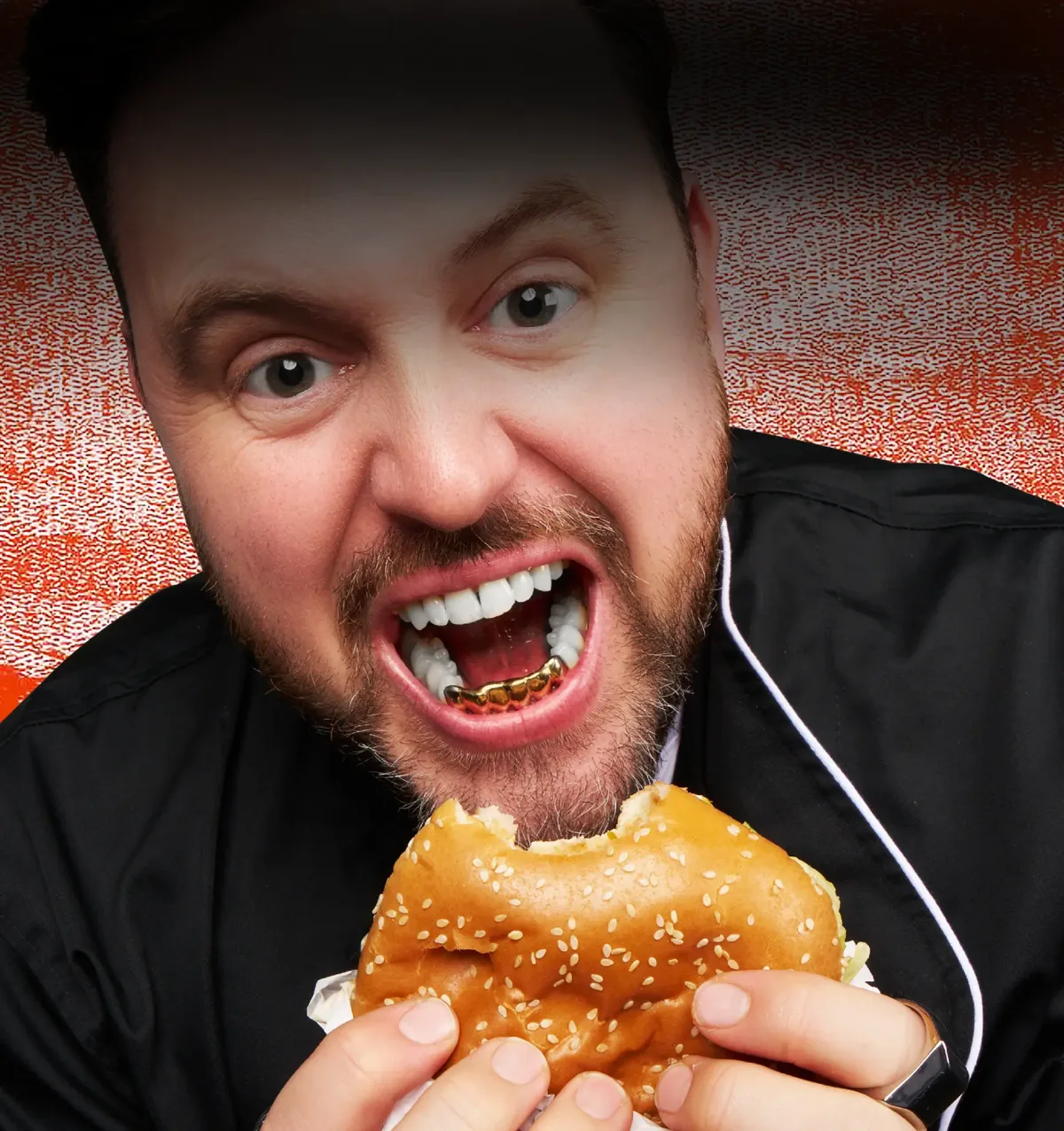

Words by: Man’s Not Yandhi Photography by: Black Milk Spacesmagazine: Culinary Edition
There’s a saying I once read that included the phrase, “Patriotism is loving your country all the time…” and it’s a saying that brings Nick Hamman to mind for a specific reason: his genuine love for South Africa, its food culture and, perhaps most importantly, its people.
Through moments of travelling across our country, Nick has found himself drawn into the lives, histories and traditions that exist within its many communities - stories that have not only opened themselves up to him through delicious experiences, but have painted a flavourful picture of the diversity that makes Mzansi such an awesome experience for the world.
For Nick, this discovery did not begin with food. It began with a youth-bred curiosity about the world around him, one nurtured by his parents and shaped by a love of music, history, travel and the stories that make people who they are. As his work in broadcasting and entertainment took him further across South Africa, South Africa’s cuisine gradually revealed itself as something more than something to eat. It became, in his words,
“the most delicious conduit to culture.”
It was through this lens that Hammy Eats began to take shape: not simply as a platform for discovering which spot to eat, but as a way of understanding who we are as a nation. Everywhere Nick travelled, food offered him a doorway into people’s realities. From kotas, fries and burgers to the grains and ingredients whose stories stretch far beyond what we have come to know, his curiosity continues to lead him toward the unappreciated parts of South African food culture.
Then, in 2023, a visit to GrubWorx in Chiawelo, Soweto, offered him a moment of realisation. After sharing the story of township entrepreneur Tiyani Maluleke and the burgers he was making outside his father’s home, Nick watched as the story travelled far beyond what he had expected. Within days, the business was overwhelmed with customers, and a simple food story had demonstrated something Nick had begun to believe: people do care about the stories behind what they eat.
Since that first bite, Hammy Eats has grown into something much bigger than a food experience. Nick has come to understand the weight that comes with having a platform capable of turning an unknown story into something people finally pay attention to. For him, that responsibility begins with getting the story right - preserving its truth, its context and the dignity of the people whose stories he is trusted to tell.
“I think a lot of the work that I do is source material,” he says. “So my responsibility is to make sure it’s right.”
Through food, Nick hopes to remove some of the barriers of fear and unfamiliarity that keep South Africans from truly experiencing one another - to imagine a future where a family from the suburbs might simply decide to have lunch in Alexandra because it feels like the most natural thing in the world.
And perhaps that is what makes Nick’s journey so compelling. He is not simply documenting what South Africa eats; he is exploring what food can reveal about how we live, where we come from and how we might see one another differently.
“The most important thing food has taught me,” he says, “is that it’s the most powerful conduit to culture. There is no deeper way to understand a person than to understand the food they grew up eating.”
In conversation, Nick speaks with the same curiosity that has carried him across South Africa in search of the stories held within its food and its people. Here, he reflects on the experiences that shaped him, the encounters that deepened his understanding of food as a conduit to culture, and the responsibility that comes with using his voice to bring overlooked stories into focus. He also looks towards the future of Hammy Eats, his forthcoming book and his wider vision for a more connected Africa.
This is why Nick Hamman is “Culinary Confidential”
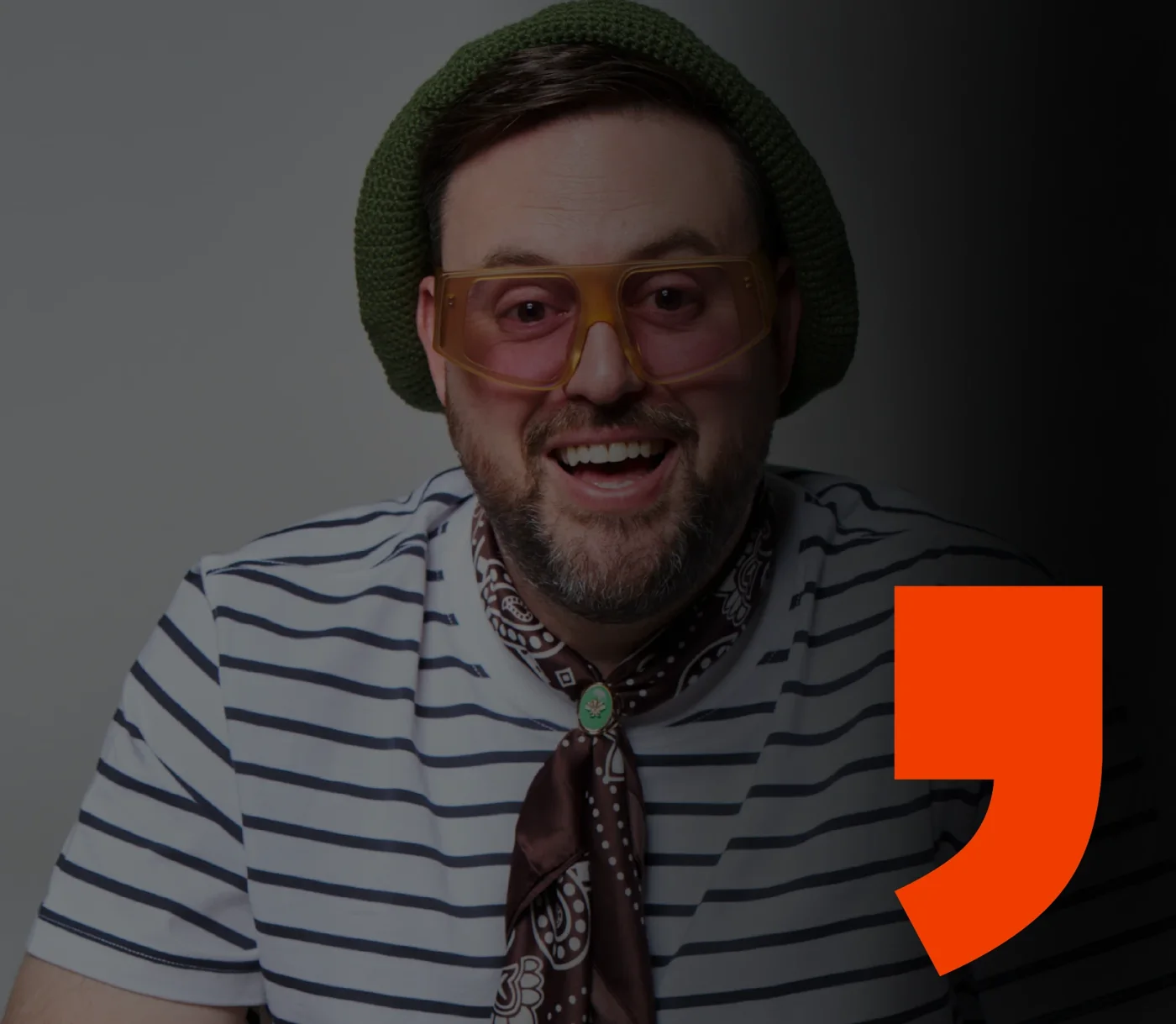
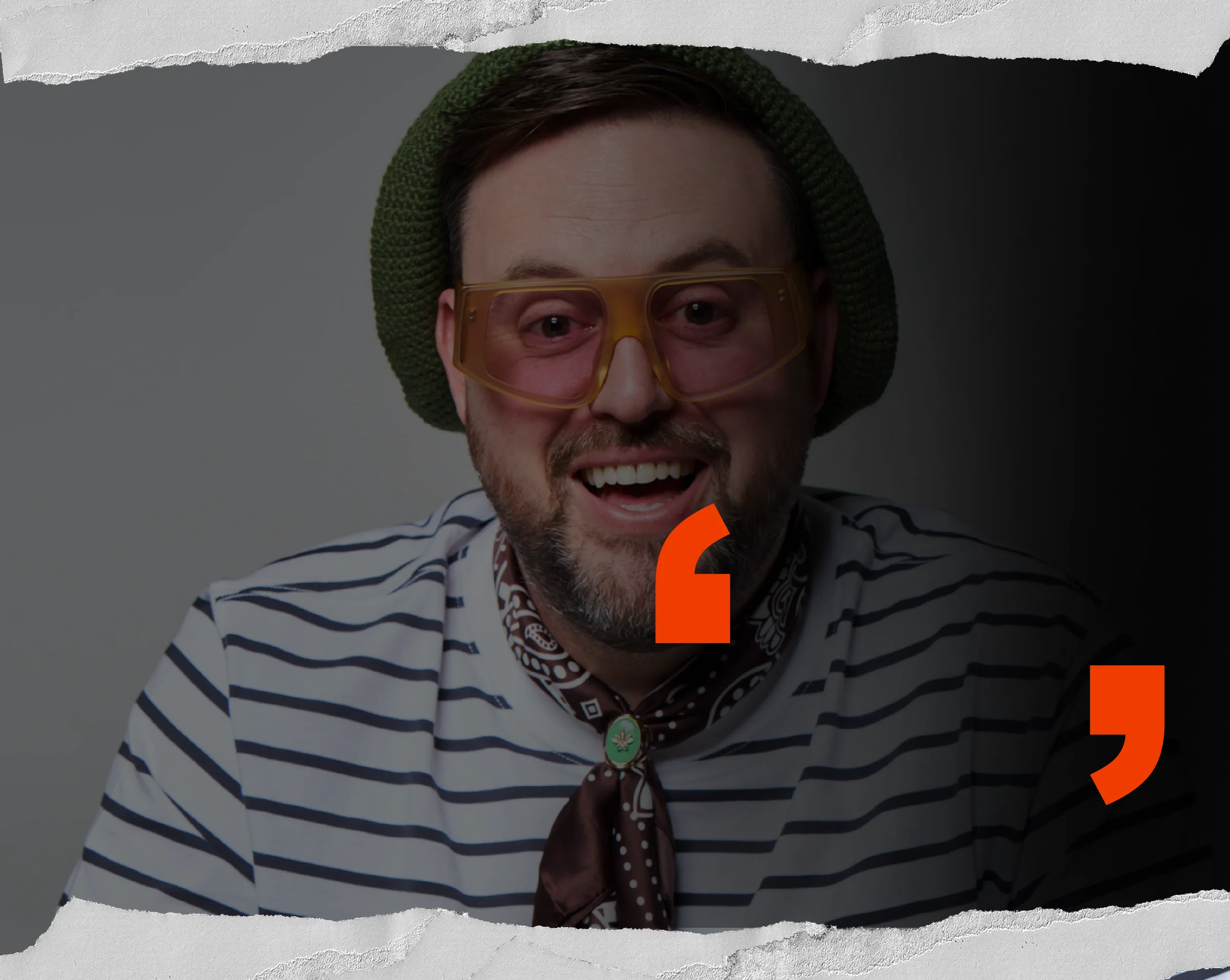
With
Nick HammanIt's kind of through my passions that food revealed itself to me and then became something that I became fascinated by.
So I think the first thing to say is that music and art have been a part of my life for as long as I can remember when I was growing up as a kid. I was into jazz. My dad got me into it. I studied it while I was at school and a little bit after school as well. And that was kind of the music that I grew up with my friends, and I've always loved history, reading about my world, and obviously South Africa, being a South African.
So all of these kind of things were always there and a part of everything. When I got a little bit older and when I started getting into media, I got really excited and inspired about travel in South Africa, getting to see more of the country and trying to encourage other South Africans to do the same thing, and it was through the experiences of traveling the country that food revealed itself to me because everywhere that I would go I would find the most disarming ways to talk about culture and also celebrate people was through food.
I still think it is the most delicious conduit to culture.
So it's kind of through my passions that food revealed itself to me and then became something that I became fascinated by. I mean, I've obviously always liked to eat. We all like to eat, and we all like to eat nice food, but through my travels, I came to see how food is this really magical doorway to who people are and how they live and especially in a country like ours where so much of the food culture is also to do with tradition and heritage and scarcity… Very often people make delicious food out of very little, and that becomes a part of the story.
So, you know Kotas, Gatsby's, Bunny Chows. Food is everything. It's political. It's economic. It's social. So it's all the stuff that I care about, and just from seeing that through my travels. I got more and more and more passionate about documenting food culture in South Africa.
I think the first time that happened was in 2023. I visited a place in Chiawelo (Soweto) called Grub Worx owned by a guy by the name of Tiyani Maluleke, who was selling a few burgers a day outside of a spot that he had attached to his father's house and I'd heard via TikTok that this guy was doing cool things and that I should go and pay him a visit and I did. Like I had been doing for some time, but I thought these burgers were really good. I put the video up, and I spoke about him as an individual and as a township entrepreneur, and I kind of got more into the story than I had been doing before.
I remember thinking, like, I wonder if people are going to care as much about all of these other things because it's the stuff I care about, and I was wondering if maybe people just didn't want to actually see the food or whatever, but I told this story, posted it up, and then about three days later I get a video from him and he's basically just sweating and he's saying that he's been grilling non-stop since the morning and then he pans to his tables and they're packed with people then he goes outside and there's a queue of people in the road and for me as someone who's been in media for as long as I have like I'd never seen that kind of traction before from like a TikTok video and so quickly and also in a part of the country that's so far from where I'm from.
Like, you know, it's just the whole thing was just overwhelming, and that was the start of when I realized, okay. No, actually, people do want to hear these stories as well as see the food, and they do want to hear about culture and township entrepreneurship, which was really cool because you kind of almost get told that people don't care about serious stuff or whatever, but I don't think that's true, and I can now prove that's not true.
People do care, and I think that was the first time that I could see it.
Yeah, of course, so like specifically, my son is now at the point where we're starting to introduce solids, so going beyond just drinking milk, and yeah, it's crazy...
And so there's a lot of like, you know food exposure that's going on with him at the moment different kinds of flavor profiles and different kinds of you know fish and chicken and whatever and so I'm thinking a lot about like I guess the role foods ultimately going to have in his life and I think for me like I would love to pass on a sense of wanting to live in South Africa to my son because you know a big reality is that it's still very easy in 2026 to live just where you're from.
So, to live in the burbs and kind of not really see 90 to 95% of what's out there in the country- so yeah, my plan is to expose him to the South Africa that I love and enjoy, in the hopes that he will see joy in it as well. I want him to understand the nuances of Soweto the same way. I want him to know what Fordsburg looks like, and I want him to know what people think about in, like, Durban (Umlazi) and in Cape Town. I want him to understand this country as best as possible, and that's the thing that I hope he inherits.
I want him to understand this country as best as possible, and that's the thing that I hope he inherits.
— Nick Hamman about his son
I think that in many ways South African food culture punches right alongside many of the great food cultures of the world, but I just don't think that we've given it the right polish, marketing or whatever it is yet, and a lot of that comes down to how we think about raising profile in our own country.
So, for example, I love Cape Town. Cape Town is a fantastic tourist city for the most part, especially the fancy side of Cape Town, and that's great because people come from all over the world to see it.
But one of the challenges and I am seeing change in this and I've been a part of some recipe developments that have tried to change, but you know, if you go to the best restaurants in Cape Town, the chance you're going to encounter any South African food is very low and and you know, I think that's weird if you think about the context of like if you went to the fanciest restaurant in Italy, you would expect pasta if you went to the fanciest restaurant in Japan, you would expect, you know, like Japanese food and by extension any country in the world.
I think that's largely true, and I think that as much as you know, we must promote it to the world, but the story also starts at home. So I'm a big fan of advocating for the raising of the profile of South African food.
So that we can start to set it alongside the tables of these restaurants. So one ingredient in particular that I often think is like a good place to start is sorghum because sorghum is something that has been in Southern Africa forever. I mean, even pap only got here in the 1500s; sorghum predates that, it's ancient.
But the branding is all wrong. You know, we were told to call sorghum poor man's porridge, for example, which is nonsense. I mean, sorghum is nutrient-dense. There are so many things you can do with it. You can ferment it. You can use it in its natural form. You can cook it into dishes. I've seen people make it into cocktails, and it really is this amazing, powerful thing, and I think we need to look to the Peruvians and what they did with quinoa and how they turn quinoa from a common grain into the kind of thing that you pay lots of money to eat.
I think we need to look at our own sorghum that way and lots of other foods too… But I would start there, and I would also start encouraging us to excavate our food history beyond, let's say, the last hundred years because the last hundred years kind of, like, with you know, apartheid & all that stuff, you have all these wonderful things that come out as a consequence of it.
You know, the Kota and the Bunny Chow and the Gatsby, but there's a lot of stuff that was there before all of this that unfortunately got washed out, and I think there's space to go back to lots of different kinds of grains. We think in a very simplistic way about African spinach and morogo. There are countless varietals that people are eating up north.
There's wonderful, like amazing stuff, and I think it's a case of documenting and raising the profile.
So we pushed it out to next year.
It's kind of interesting because through the process of writing it, I've also had a lot of my own realizations. So maybe what I thought was going to be the point beforehand is not entirely the point now, but I think what I'm trying to do is to do it through my own lens.
So this isn't the only lens. It's just mine, trying to present South Africa to both South Africans and the world in a way that deeply celebrates it whilst still not shying away from any of its realities, because I feel like, on the one hand, I feel like so many South Africans don't embrace the totality of their country, and without the totality you don't have the full picture.
So I'm trying to, I'm trying through food.
I'm trying to bring people to a sense of awareness of everything that goes on here. So like whether you've grown up in Gauteng and maybe you've never been to Thohoyandou, you don't know what goes on in Mpumalanga or Cape Town, vice versa, you know, I'm trying to like bring all these communities and the things that are good about them out to people and that's for the South African audience and then for a global audience. I'm also trying to just be a part of updating our story.
I think we did a very strong job in the 90s of getting the world back on our side and getting people excited about our future and all of that, but I feel like our story has updated somewhat since then, for better and for worse, and that there is still a good story to tell, but I think that we need to…
There are chapters we need to add about how things are now, and there's definitely some fatigue out there over the story that we've been selling for 30 years. I think we need a new-ish, you know, we need addendums to it, and I want to be, not solely, obviously, but I mean, I want to be a part of that.
Yeah, I think probably it is just that I must put effort into getting the information I'm putting out correct. So I'll tell you why: something that I've noticed is that I've been able to kind of see now firsthand the machinery of how a story turns into news, and how also stuff that didn't have a spotlight can be given one, and I've noticed that everybody's got a story worth telling.
It's the art of knowing how to bring out what is universal about a person. And what I've realized is I'm in this really cool position where I can take an unknown person, and I get to utilize my channels to turn them into news is all like a phenomenon.
So, the recent example: there was this guy, Lwazi Madonsela, who has a business called & Fries. He's a super cool guy, and he had this terrible accident where this driver drove into the front of his shop and destroyed over a hundred thousand rands’ worth of equipment, and the next thing he wasn't going to be able to trade.
And so I went, and I documented his story, and I got people interested in donating to him, and not only through my efforts, but I think in part myself and other people, we helped him raise the money and get back on his feet again. But what I also saw, and what kind of happens a lot is that I'll cover the story and then the story will end up inevitably on other platforms; other creators pick it up, or news media picks it up, and very often people reference the documentation that I've done because I went to source.
And so it's because these stories matter and these people matter, my responsibility is to make sure I'm saying the right stuff, you know, especially now with AI and so much like extra information that's just inaccurate, that's out there, and like the fact that you can have a podcast or a TikTok account now, and you can say whatever the hell you like… Facts just seem to carry less weight.
I think it really matters to have good sources of information. And I think a lot of the work that I do is like source material. So my responsibility is to make sure it's right. So that Lwazi's story isn't watered down or changed or made to be something that it wasn't. So that it's something that when he celebrates, he's celebrating a true version of what happened.
And I think the same is true of, you know, if I'm covering Durban Indian food, and I'm talking about the history of the Bunny Chow, it's important that I get it right, because A: that history is debated anyway.
It's oral history. It comes from a time when that community didn't have its history preserved properly, and it was bastardized and thrown around loosely and discarded. And so, it matters to correct it and write it properly to restore dignity to people.
And because my voice is now very loud, I think it matters that I get it right.
I think definitely, yeah. I think that there is a lot of excitement around African culture and food. I guess the critical side of me would say two things.
One, I would love to figure out how we can see a more unified Africa. I think that last thing, in my personal view, the last thing we need as a continent now is to turn against each other at a time when potentially we can do a lot of “great” for presenting Africa's case to the world. And so, you know, I think it would be amazing to see us as South Africans proudly supporting West African cuisine and food and the food of North Africa and, by extension, West Africa doing the same for us.
And I would love to see that, and I try in my own small way to foster that sort of thing.
The positive side is that, because of social media, primarily on social media, you have individuals that can have gigantic voices and there are a lot, you have a lot of these people that are creators that are super nuanced, nerdy and are just really interested in seeing good positive changes that are consumed by like millions of people.
And so that's exciting, and that's cool. And it's super dope that all you need is a phone.
So you do go on TikTok, and you see the roadside chicken dust from the middle of Vosloorus blowing up because someone from there can put their platform on a message board that the world sees, so that is super encouraging. And I do think that now is the time.
I'm not going to “not” be critical of people who I will happily work with. I think they can maybe pull their socks up a little bit.
A chesa nyama in Tokyo would slap, though [laughs]
So I want it to become known for a philosophy of positivity, delicious positivity when it comes to South Africa and Africa. That's what I want Hammy Eats to be known for. What I want to build that I haven't built yet is that, in five years’ time, when you say Hammy Eats you don't immediately go Nick Hamman you go oh yeah those guys like a collective sort of thing um I think that'll help to make it a movement. I also think that there's some incredible creators on social media that I would love to help more people see, people that I follow and love and think are incredible. And so that, that's, that's something that I'd want to really see happen with, with Hammy Eats.
And I also do want to move more into Africa and kind of just be as loud a voice as possible for a pro-Africa, one Africa kind of thing. I mean if we could if we could just get right the way the European Union operates and how they thrive as a collective force from a socio-economic, political, trade, and otherwise perspective.
I think that would be really cool to see more of Africa behave in that way.
I hope that my platform can shine a light on as many people as possible because you know my whole story is really just one of discovery. I mean, I'm far more interested in seeing what's out there in the world and spotlighting that, and so I think the goal would just be to do as much of it as possible. It's insane, you know. I’ve spent nine, going into ten, years of my Septembers for the last decade just traveling South Africa for an entire month, and I've literally almost spent a year just on the road, and I still feel like I’ve got no idea…
I've seen like one percent of the country, so as a platform, encouraging people to move more, see more, and experience more that's the goal would love to see barriers of fear removed. I would love people, when they think of, I don't know, let's say for example, Westbury, but they don't immediately go to guns and drugs and gangsters, and that they see the people first, and then their heart bleeds for them, and then they realize that you need to help them, not write them off to gangsterism.
I would like to think that it would be a super normal thing for a family in the burbs to be like, yeah, let's go have lunch in Alex because that's cool.
I would love to see like that. I don't know. Just in a very ideal way. That's kind of the South African future I would love to imagine.
I hope that my platform can shine a light on as many people as possible because you know my whole story is really just one of discovery.
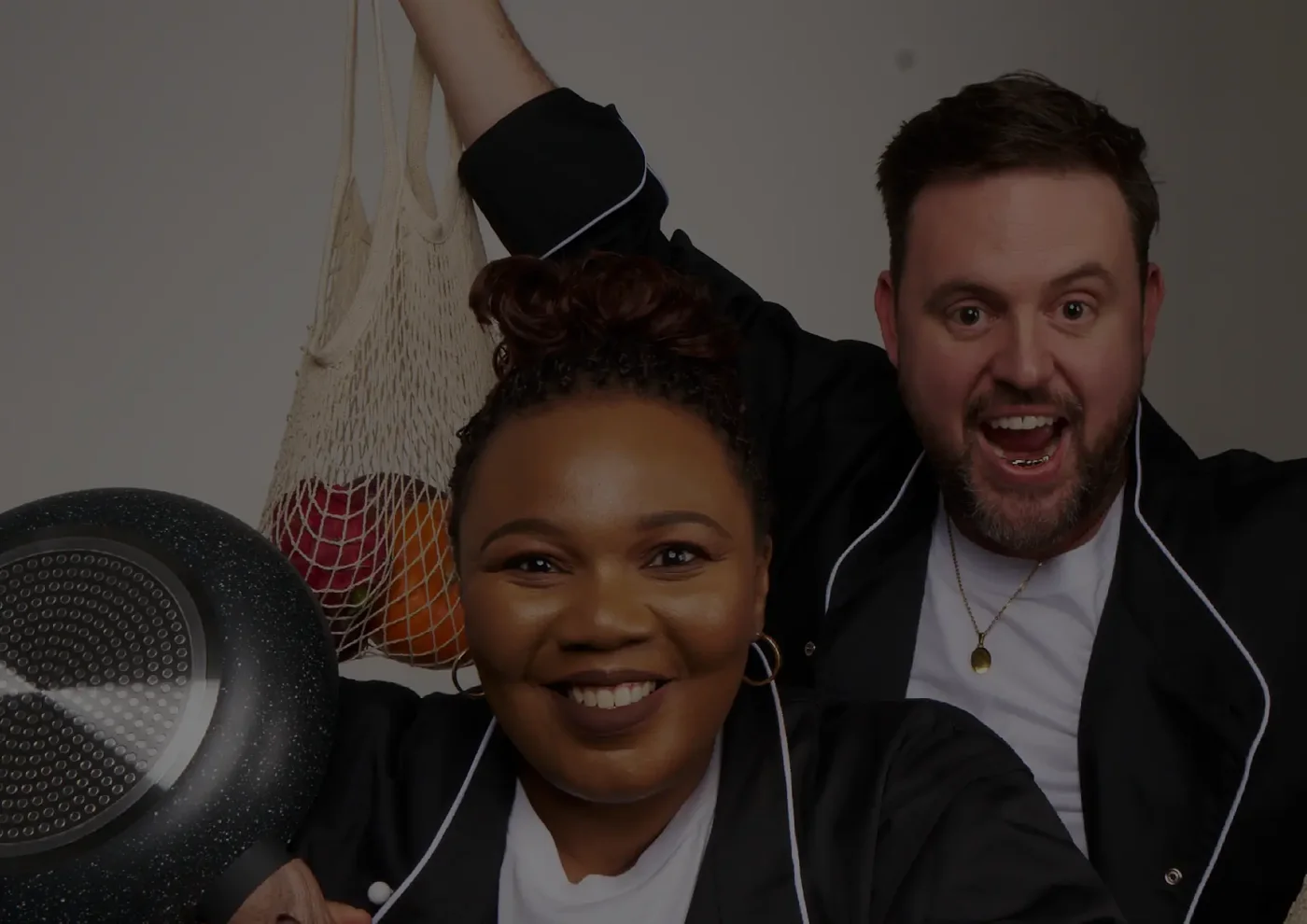
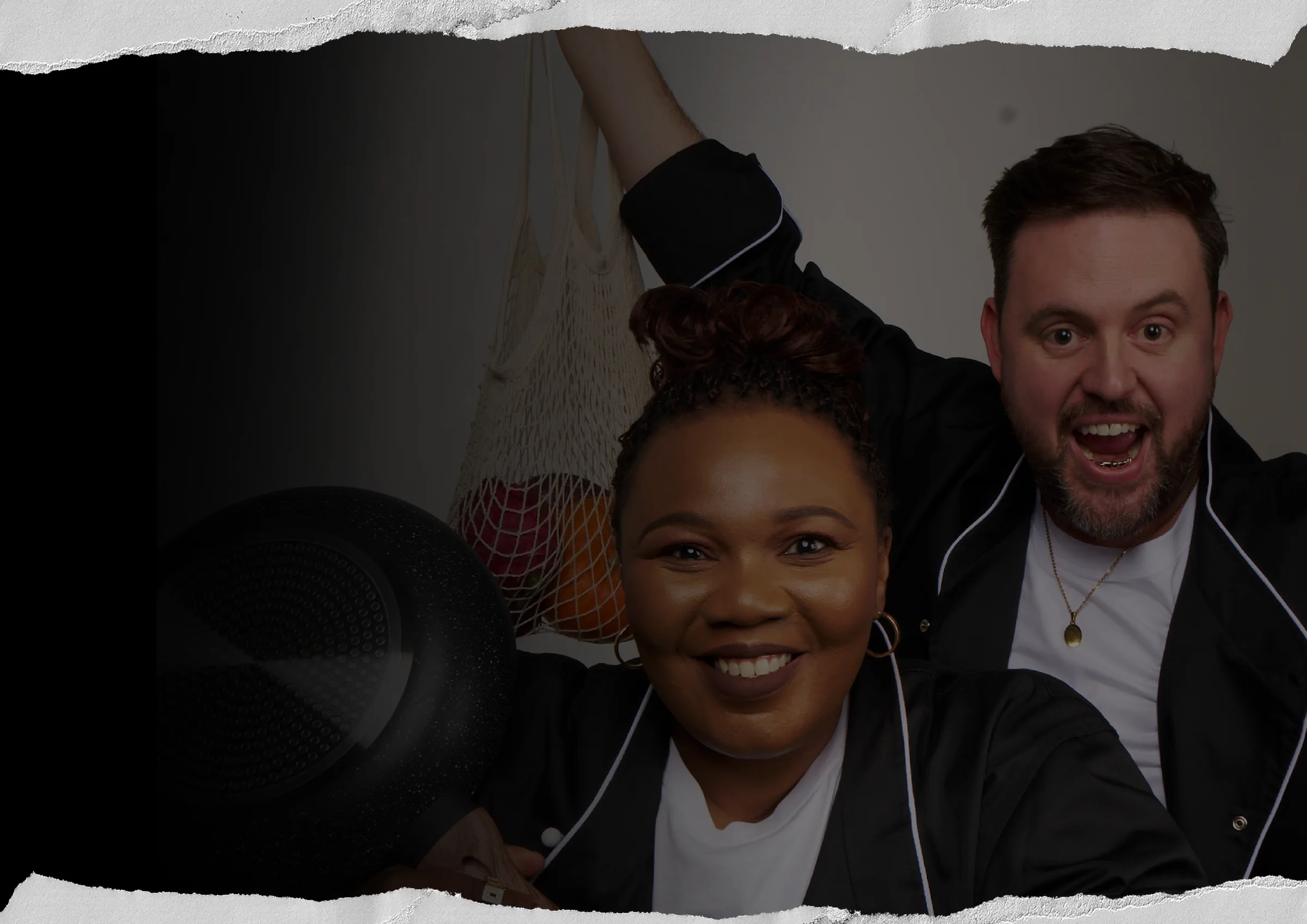
The most important thing food has taught me is that it's the most powerful conduit to culture; there's nothing there is nothing more like there is no deeper way to understand a person than to understand the food they grew up eating, I believe.
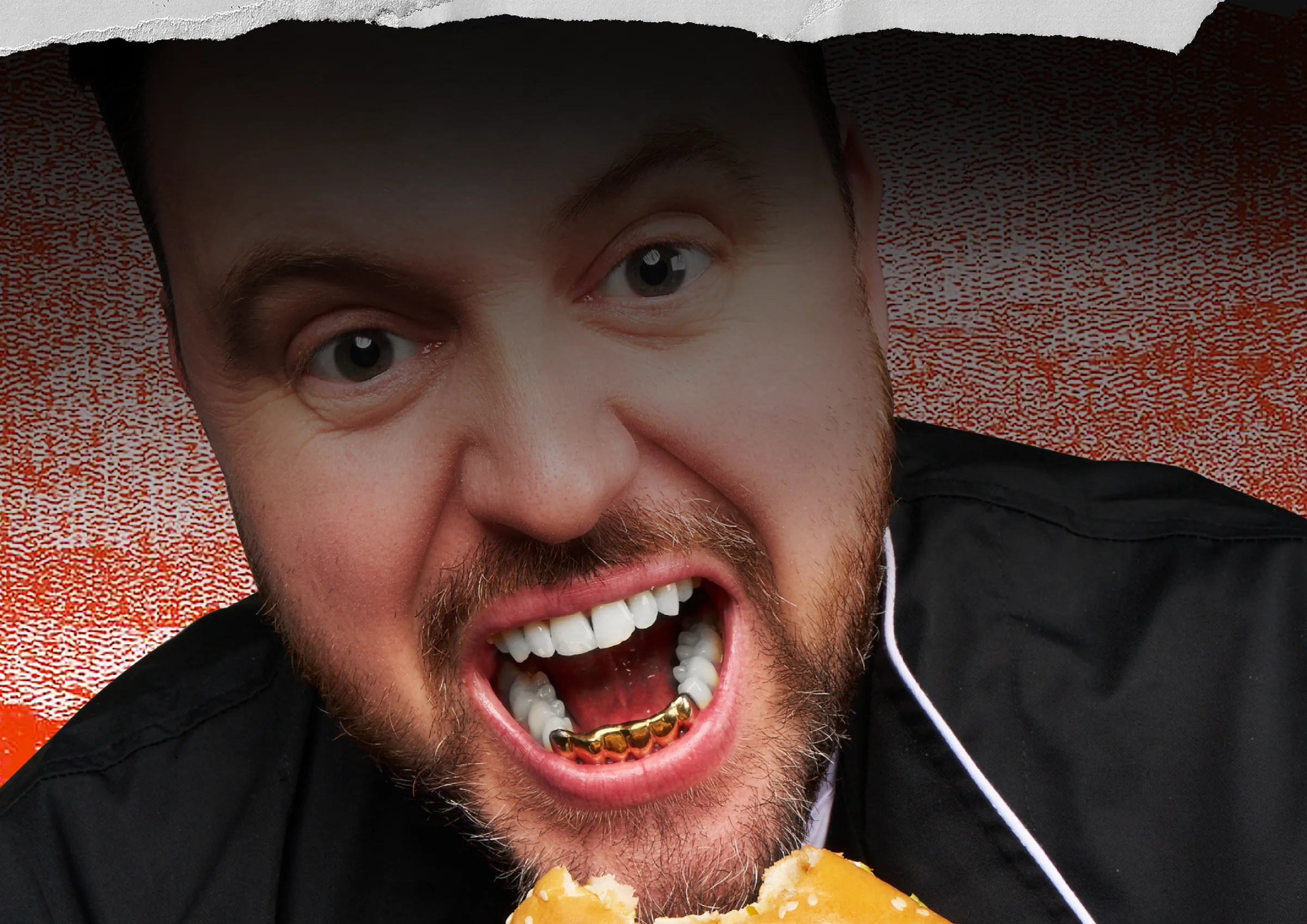
A 3-part video series
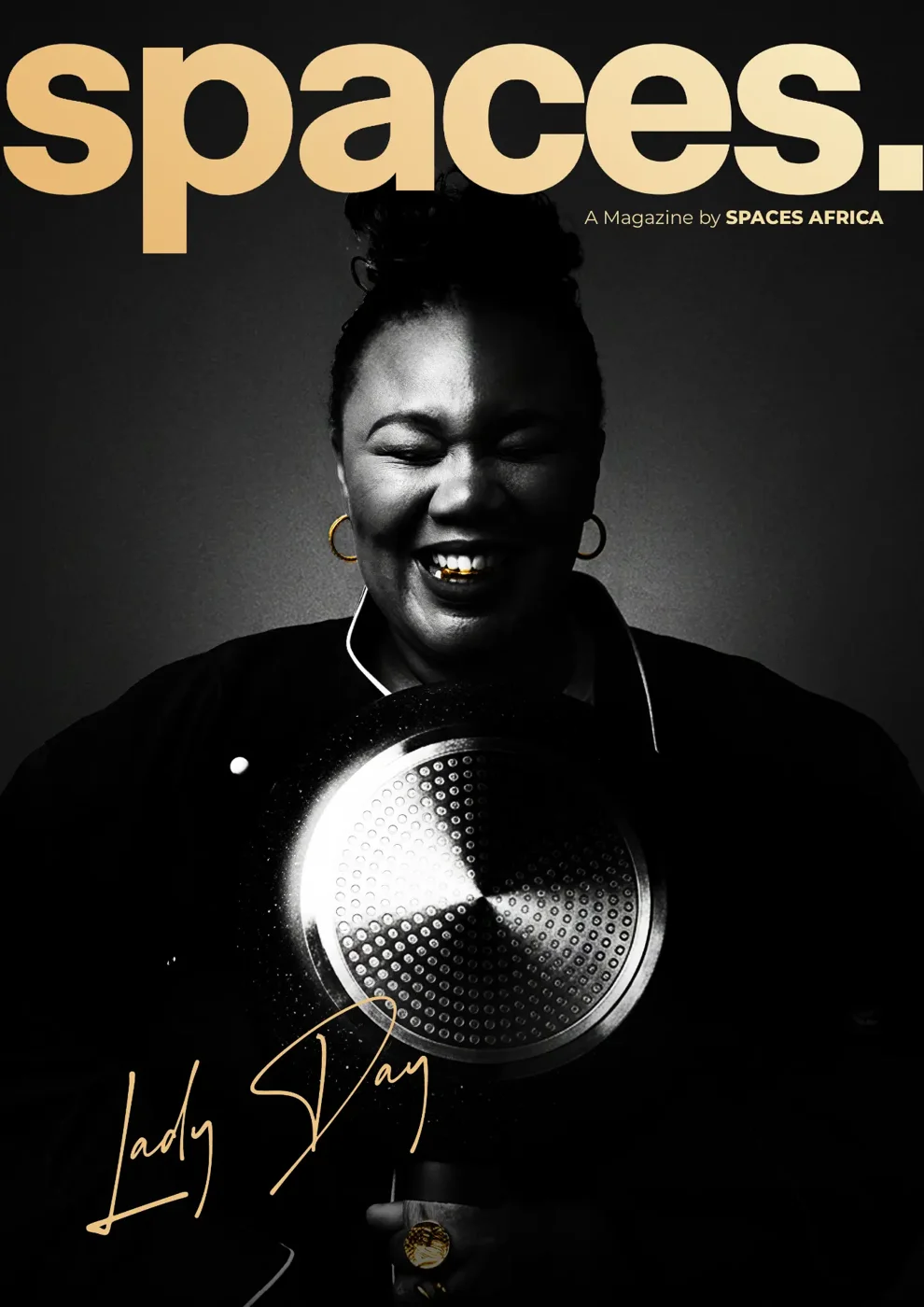
with Nick Hamman & Lady Day
In the Kitchen with Nick Hamman & Lady Day is a three-part culinary conversation series where food becomes a lens through which to explore culture, identity, travel, creativity and personal growth. Across three carefully curated courses, Nick and Lady Day uncover the stories, memories and influences that shape who we are, transforming the kitchen into a space for meaningful dialogue and authentic connection.
The journey opens with a starter inspired by Lady Day's exploration of Chinese cuisine, sparking a conversation about cultural exchange, migration and the global influences that continue to shape the way we eat. For the main course, she serves a richly caramelized short rib with spring onion, fresh salad and obriato sauce, providing the backdrop for discussions on mastery, creativity and building a life and career with intention. The experience concludes with a South African-inspired Amasi Dark Chocolate Mousse, celebrating heritage, innovation and the evolving future of African food culture.
Throughout the series, each course is elevated by thoughtfully selected Rupert & Rothschild wines. The Rupert & Rothschild Baroness Nadine Chardonnay, renowned for its elegance and Burgundy-inspired character, accompanies the starter, complementing the delicate balance of flavours while reflecting the spirit of exploration and cultural exchange. For the main course, the Rupert & Rothschild Classique, an iconic Bordeaux-style blend celebrated for its balance and layered complexity, enhances the depth of flavour and richness of the conversation. For dessert, Champagne Barons de Rothschild takes centre stage. Its crisp character, delicate notes of pear, almond and white flowers, and refined finish beautifully complement the Amasi Dark Chocolate Mousse, creating a pairing that is both unexpected and sophisticated.
At its heart, In the Kitchen with Nick Hamman & Lady Day is a celebration of food, wine and storytelling, revealing how shared meals can connect people, preserve culture and inspire new perspectives.
Cultural exchange, migration and the global influences on how we eat.